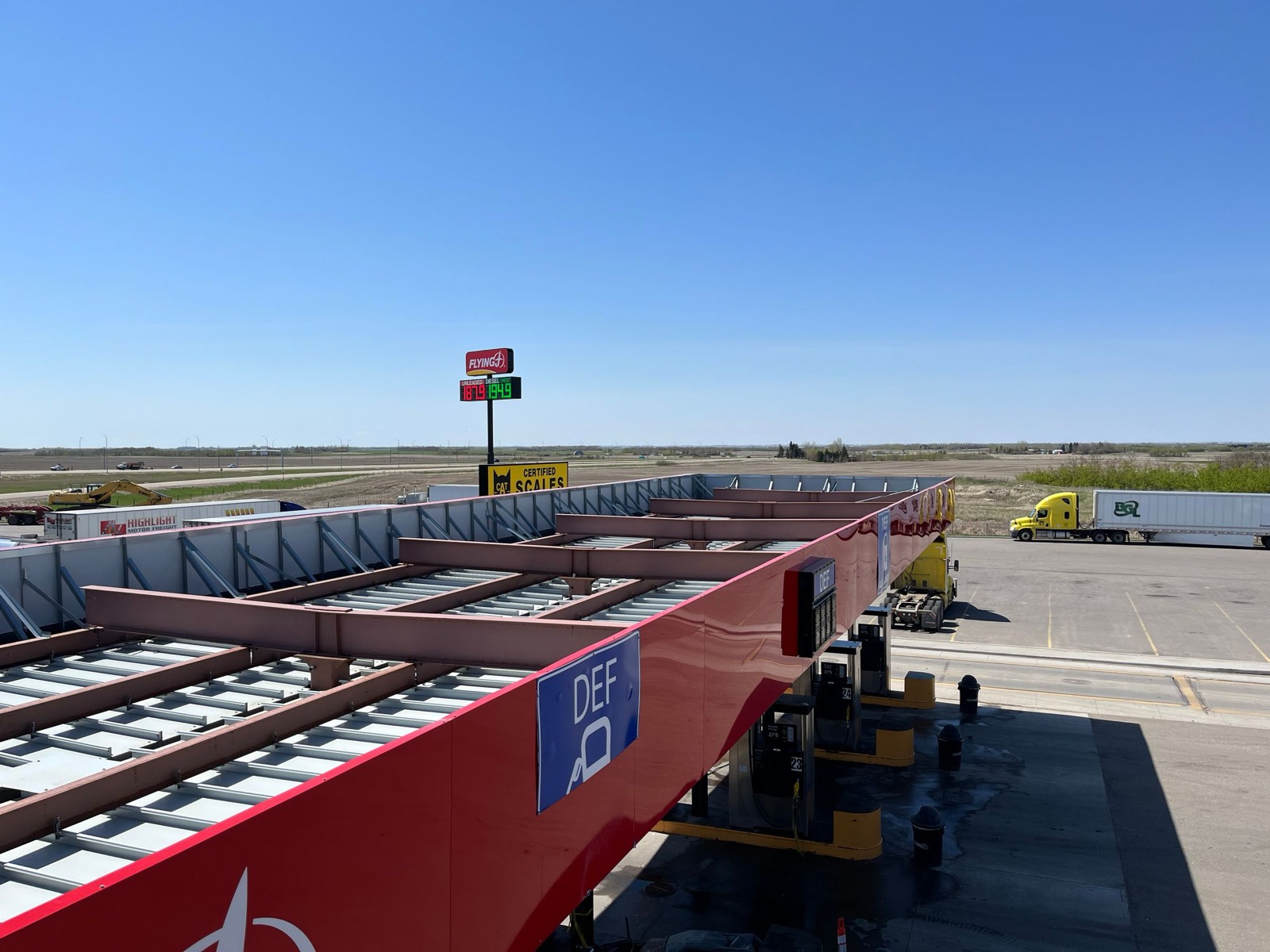
A gas station with real estate for sale means you buy the dirt, the building, the canopy, the tanks, and in most cases the operating business in one transaction. That combination changes everything about how the asset is valued and financed. Business-only gas stations trade at 2.5x to 4.0x EBITDA. Add the real estate and the same operation can command about 8x EBITDA, reaching 7x to 9x in premium markets. National cap rates on fee-simple fuel and C-store property sit near 5.6%. Owning the land gives you control over rent, refinancing, expansion, and your exit. It also brings the underground storage tanks and environmental exposure onto your balance sheet, which is why diligence and structure matter from day one.
What a gas station with real estate for sale actually includes
This is a fee-simple sale. You acquire the land and improvements, typically the building, fuel canopy, dispensers, and underground storage tanks, and in most listings the operating C-store business along with it. That bundle is different from a business-only sale, where you buy goodwill and equipment but lease the ground from a landlord.
Owning the real estate means the underground storage tanks become your responsibility under CERCLA, which is why environmental review drives the deal. It also means no rent escalations and no lease renewal risk. There are about 152,000 C-stores in the US, and roughly 60% are run by single-store operators, so most fee-simple opportunities are independent sites. Compare structures on our branded vs unbranded and dealer model guides.
Why buyers want the real estate, not just the business
Control is the reason. When you own the land you set the terms. There is no landlord raising rent, no lease expiring under you, and no restriction on remodeling, repositioning, or adding a car wash or QSR pad. You also build equity in an appreciating asset instead of paying someone else's mortgage.
The real estate is what makes the deal financeable on long amortization and what makes your exit flexible. You can sell the going concern, execute a sale-leaseback to free up capital while keeping operations, or run a 1031 exchange into passive NNN property at retirement. None of those paths exist if you only own the business. See exit and retirement planning for how owners use the land at the end.
How valuation and cap rates work when land is included
Including real estate moves the multiple. A business-only fuel and C-store operation trades at 2.5x to 4.0x EBITDA, and smaller stores run 2.0x to 3.5x SDE. Combine the business with a leased site and you are at 4.0x to 7.0x. Add fee-simple real estate and the figure reaches about 8x EBITDA, 7x to 9x in strong markets.
On a cap-rate basis, fee-simple fuel and C-store property averages about 5.6%, roughly 5.58% with fuel income and 6.87% without. Florida is tightest near 5.11%, Texas runs about 5.63%, the Carolinas 5.0% to 5.5%, and weaker markets push past 6.0% to 6.5%. Branded credit compresses pricing further. Run the numbers on our valuation calculator and cap rate calculator.
Financing a fee-simple gas station purchase
The SBA 7(a) program is the standard tool for owner-operators. It caps at $5M, and because gas stations are special-purpose property, lenders require a 15% minimum equity injection, so plan on 10% to 15% down. Real estate amortizes up to 25 years, and as of June 2026 rates run about 9% to 11.5% APR variable with closings in 30 to 90 days.
Conventional financing is available but tighter. Expect 30% to 40% down, and note that many banks avoid sites with underground storage tanks because of CERCLA liability. A Phase I ESA, $1,800 to $3,500 under ASTM E1527-21, is required on SBA fuel deals. Compare paths in our SBA vs conventional guide and start at our financing page.
How to buy or sell a gas station with the real estate
For buyers, the work is the diligence: confirm fuel volume, verify margins, order the Phase I ESA, and test the financing before you remove contingencies. Busy urban sites move 100,000 to 150,000 gallons a month against a US average near 4,000 gallons a day, and the C-store side is about 30% of revenue but roughly 70% of profit. Start with our buyer services and the due diligence checklist.
For sellers, real-estate-inclusive deals carry broker commissions of about 6% to 10%, lower than the 10% to 20% on business-only sales, and typically close in 3 to 6 months. Clean tank records and current financials drive the best price. See our seller services to position the asset.